
Honoring Our Smallest Service Members
April is the Month of the Military Child. We wear purple to show our support. As a real estate professional, I see the “purple” spirit every day in the families I serve. Military children are incredibly brave. They face a unique challenge that most civilian children do not. The average military child moves between six and nine times before they graduate high school.
A Permanent Change of Station (PCS) move is a major life event. It can cause stress and anxiety. However, moving also builds resilience. With the right plan, you can help your children navigate the transition to a new duty station with confidence. Here is how to foster resilience during your 2026 move.
1. Involve Children in the Home Search
Resilience grows when children feel they have a voice. If you are buying a home in 2026, include your kids in the process. Show them photos of potential houses. Ask them what they like about a specific backyard or neighborhood.
If you are doing a “sight-unseen” move, use the tech tools we discussed. Let them “walk” through the 3D Matterport tour of their new bedroom. According to the Military Child Education Coalition (MCEC), giving children a sense of agency helps reduce the “fear of the unknown.” When a child can visualize where their bed will go, the new house feels like a home before they even arrive.
2. Master the School Transition
School is the center of a child’s social world. A smooth transition is vital for their mental health.
- Use the Interstate Compact: Familiarize yourself with the Interstate Compact on Educational Opportunity for Military Children (MIC3). This agreement ensures that your child stays on track for graduation. It helps with course placement and records transfer.
- Look for S2S Programs: Many schools now have “Student-to-Student” (S2S) programs. These are student-led groups that welcome new military kids. They provide a “battle buddy” on the first day of school to show them around.
- Leverage SchoolQuest: MCEC offers a free tool called SchoolQuest. It acts as a digital locker for your child’s academic and athletic records. This keeps you organized during the chaos of a 2026 PCS move.
3. The “First Box, Last Box” Strategy
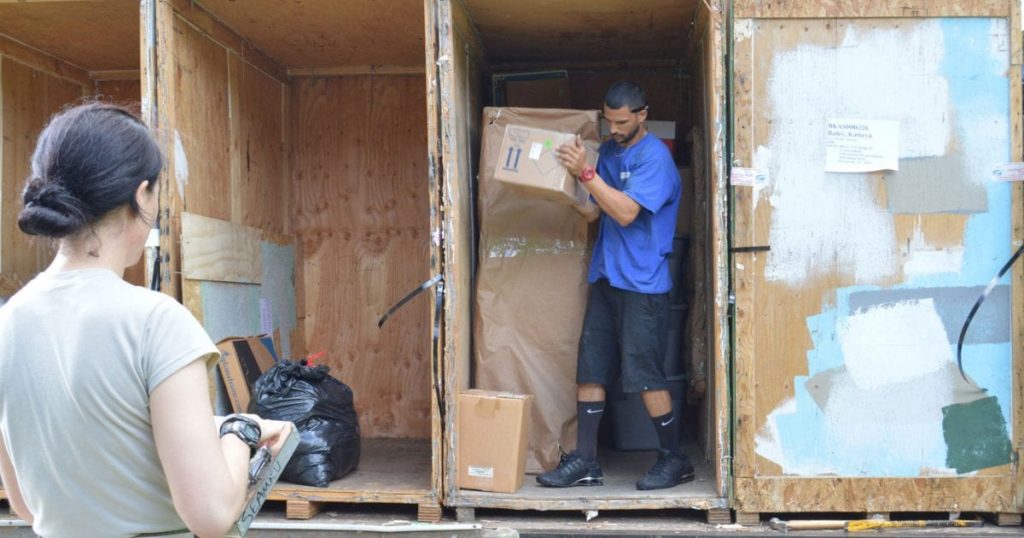
The physical act of moving can be overwhelming for small children. Maintain a sense of stability through “transitional objects.”
Pack a “First Box” for each child. This box should contain their favorite bedding, a few cherished toys, and their preferred snacks. This box should be the last thing loaded onto the truck and the first thing opened in the new house. Seeing their familiar blanket on a new bed provides an immediate sense of security.
4. Create a “Home Base” Mentality
In 2026, we focus on “Home Stewardship.” A house is an investment, but for a child, it is their “Home Base.”
Establish routines early. Find the local park or the best ice cream shop in your new town during the first week. Research from Military OneSource suggests that “micro-traditions”—like a Friday pizza night—should continue regardless of your zip code. These small habits signal to a child that while the scenery has changed, the family unit remains strong and stable.
The Bottom Line
Our military children are the backbone of our community. They serve right alongside their parents. By involving them in the home-buying process and utilizing the resources available in 2026, you turn a stressful move into a lesson in resilience. As your real estate partner, I am here to help you find more than just a property. I am here to help you find the next “Home Base” where your children will thrive.